Vertical Storage for Small Apartments: What Frees Floor Space
June Callow 7 min read

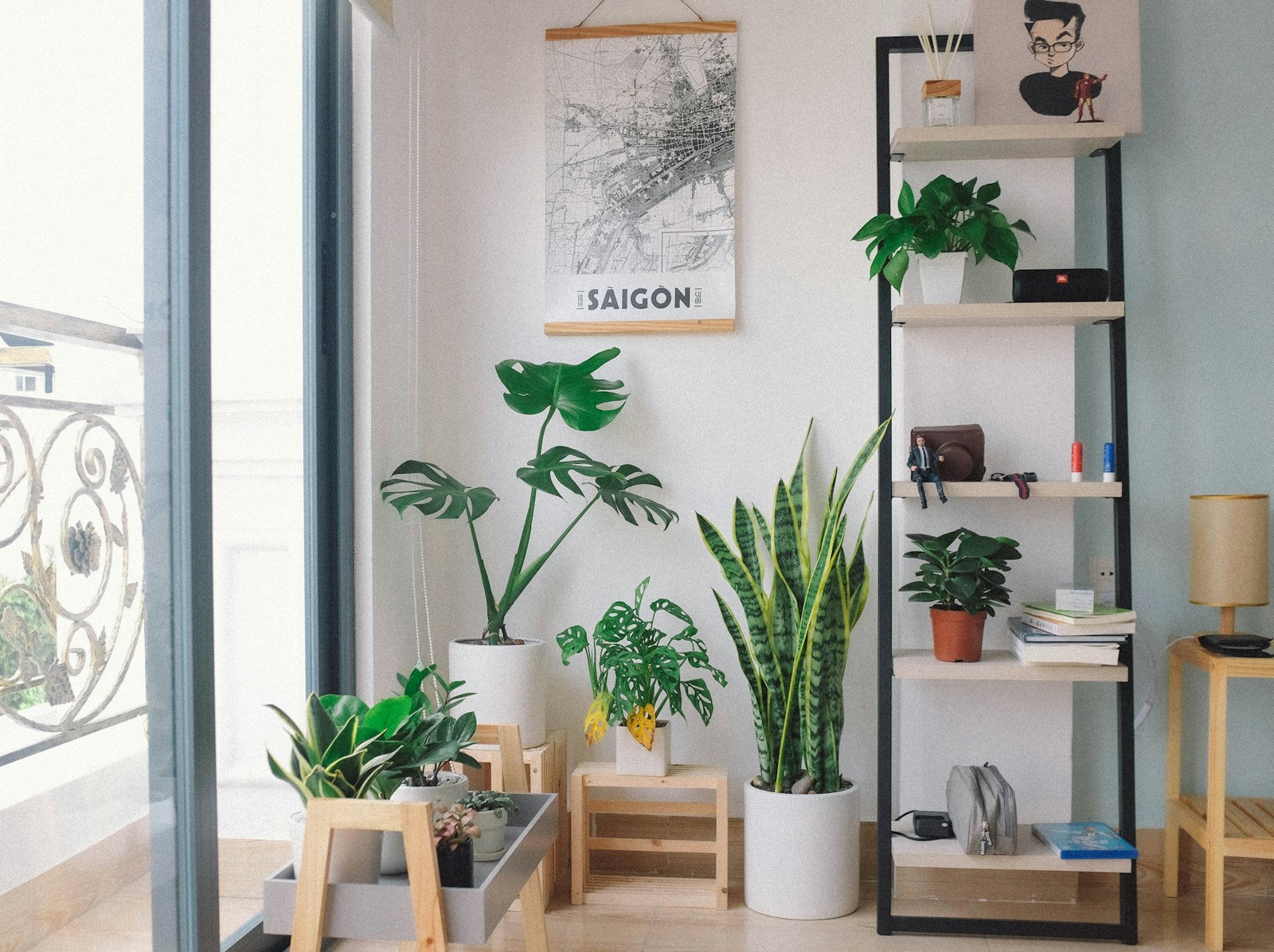
Most small-space storage content is a listicle of purchases. This post is a decision framework — which vertical storage approach delivers the highest return for your specific situation — with cost ranges and an honest skip list.
The data establishes the scale of the problem: 44% of one-bedroom apartment dwellers use self-storage, the highest rate of any residential type, with 35% citing lack of home space as their primary motivation. That is not a problem of insufficient storage products. It is a problem of not using the vertical space that already exists.
The baseline rule: floor space first
Before adding any storage, the consistent advice from apartment-focused practitioners is: eliminate what’s on the floor before adding anything to the walls. This sounds obvious and gets skipped constantly.
Every item currently sitting on your floor that could live elsewhere — a shoe rack, a bag pile, a stacked laundry basket — represents reclaimed floor space that creates the feeling of roominess and the visual calm that makes small apartments livable. Smaller homes simply have less slack space to absorb clutter, so it rebuilds faster than it would in a larger home — small closets and shared surfaces need more frequent attention, not more storage. A short recurring pass (see the Weekly Home Reset Checklist or 30-Day Declutter Calendar) does more for a small space than one annual overhaul.
The decision sequence:
- Remove what doesn’t belong (declutter)
- Move floor items vertical (use existing walls)
- Add new storage only for what remains
The vertical storage priority order
Priority 1: Over-door organizers ($15–$35)
The highest return-per-dollar investment in small apartment storage. Over-door organizers are a consistently popular, high-value pick on Pinterest and Amazon — the $15–$35 price range contains the highest-reviewed entry points.
Where they work best:
- Bathroom door: a 24-pocket over-door organizer replaces a separate shelving unit entirely
- Pantry door: spices, small bottles, and packets that consume prime shelf space
- Bedroom door: shoes, accessories, or folded items that would otherwise live on the floor
The tension-rod under-sink doubler (a horizontal rod mounted with pressure — no drilling) is in the same category: $8–$15, adds a full shelf under any sink, fits in rental units with zero damage.
Priority 2: Floating shelves above the furniture line ($40–$120)
Wall space above furniture — dressers, desks, headboards — sits empty in most small apartments. Floating shelves and pegboard convert that dead space into accessible storage without consuming floor square footage.
The key constraint: floating shelves require wall anchors and drywall anchors for anything beyond light decorative items. Renters need to factor in patching costs or confirm with landlords. The alternative for renters is tension-mounted shelving (command strips for lighter loads; freestanding ladder shelves that lean rather than mount for heavier loads).
Where they work best:
- Living room: above the sofa for books, plants, and rarely accessed items
- Kitchen: above the counter line for daily-use dishes, eliminating cabinet pressure
- Office/bedroom: above the desk or nightstand for the things you reach for daily
Priority 3: Tall narrow furniture ($80–$300)
This is the highest-ROI category for floor-space efficiency. A tall narrow bookcase occupies 2 square feet of floor space but stores 3–4 times more than a wide, short dresser — the highest storage-per-footprint ratio among freestanding furniture options. A 12-inch deep, 72-inch tall bookcase in a dead corner of a bedroom or hallway is the single biggest storage upgrade most small apartments can make without drilling anything.
The key specification: narrow depth. Most standard shelving units are 12–14 inches deep. This is the right range — deeper units consume more floor space and make the room feel narrower than they actually are.
| Cost range | Drilling required | Best space | |
|---|---|---|---|
| Over-door organizer | $15–$35 | No | Any door |
| Under-sink tension rod | $8–$15 | No | Kitchen/bath |
| Command-strip shelf (light items) | $15–$40 | No | Any wall |
| Floating shelf (anchored) | $40–$120 | Yes | Living room, kitchen |
| Pegboard system | $25–$80 | Yes | Kitchen, office |
| Tall narrow bookcase | $80–$300 | No (freestanding) | Any corner/wall |
| Over-toilet shelf | $35–$80 | No (freestanding) | Bathroom |
The honest skip list
Under-bed boxes: useful, but easy to overfill and impossible to access without moving the bed. Only worth using for seasonal items with a clear rotation schedule. Not a solution to chronic clutter.
Cube organizer units (Kallax-style): excellent for families, oversized for true small apartments. A 4x4 cube unit is 58 inches wide and 58 inches tall — it dominates a small room and the open cubes fill with visual clutter immediately without storage bins (additional cost). A tall narrow unit beats this for small spaces almost always.
Ottomans with storage: the storage compartment is almost never accessed in practice. Every practitioner account of small-space organization eventually describes the hidden-ottoman as “where things go to be forgotten.”
Over-cabinet organizers (kitchen): the dead space above kitchen cabinets is genuine dead space — it’s far out of reach and collects dust. Use it only for once-a-year items (extra serving dishes, holiday decorations) in clearly labeled bins.
If you’re working on a specific zone and want a printable layout guide for your space, the small-apartment organization printables on Etsy include room-by-room planning sheets designed specifically for apartments under 750 square feet.
Room-by-room quick wins
Kitchen: Magnetic knife strips (wall-mounted) free up counter and drawer space. Over-door spice organizers on the pantry door eliminate shelf clutter. Vertical baking sheet organizers (a simple $15 vertical file divider) stack sheet pans and cutting boards vertically instead of horizontally.
Bathroom: Over-toilet freestanding shelves require no drilling and add a full column of storage in dead vertical space. A two-tier over-door organizer on the bathroom door handles toiletries that would otherwise crowd counters.
Bedroom: Tall narrow bookcase in a corner. Under-bed clear bins for seasonal clothing (seasonal rotation means you only access them twice a year — the access problem is minimized). Wall-mounted hooks on the back of the bedroom door for bags, belts, and tomorrow’s outfit.
Living room: Floating shelves above the sofa for books and decor. A tall narrow unit next to the TV for media storage and display items. Vertical magazine files for documents and current reading material.
FAQ
Common questions
How do I use vertical storage in a rental without damaging walls?
The first tier of options (over-door organizers, tension rods, freestanding tall shelves, leaning ladder shelves) requires no wall modification at all. For wall-mounted shelves, Command strips hold up to 16 pounds for a single strip pair — adequate for books and kitchen items if you stay within the weight limit. For heavier loads, discuss wall anchors with your landlord; most allow them with the understanding that you'll patch on move-out.
What is the maximum height to store things I use regularly?
Accessible height — items you reach without a step stool — is roughly 72 inches for most adults. Above 72 inches is seasonal storage territory: things you access a few times a year. The frequent-access zone is the 24–60 inch band on the wall, which is exactly where most standard floating shelves and over-door organizers land.
Is a pegboard worth installing in a kitchen?
Yes, for cooks who use a variety of pots, pans, and tools. A 24x36 inch pegboard panel ($25–$40) holds 10–15 frequently used items in visible, accessible positions. The trade-off is the visual noise — everything is visible, and it requires some neatness discipline to not look chaotic. If you prefer visual calm over accessibility, closed cabinet storage wins.
My closet is the main problem — is that covered here?
Vertical storage inside closets is a separate system — covered in detail in our DIY closet system comparison. The short version: if your closet is the primary space problem, a vertical organizer system (Elfa, IKEA PAX, or EasyClosets) will do more than any number of over-door organizers on other doors.
Related reading: IKEA PAX vs Elfa vs EasyClosets — if your closet is the primary storage bottleneck, this is where to start. 5-Day Clutter Shakedown — clear the floor before you add to the walls.
Some links in this post are affiliate links. Full disclosure.